
Recently, the ketogenic diet has gained popularity.
This low-carb, high-fat diet, according to studies, is effective for weight loss, epilepsy, and diabetes. It may also be beneficial for Alzheimer's disease, certain cancers, and other diseases.

When you’re on a keto diet, you typically limit carbs to 20–50 grams per day. It may seem challenging, but there are still numerous tasty, nutritious keto-friendly foods available.

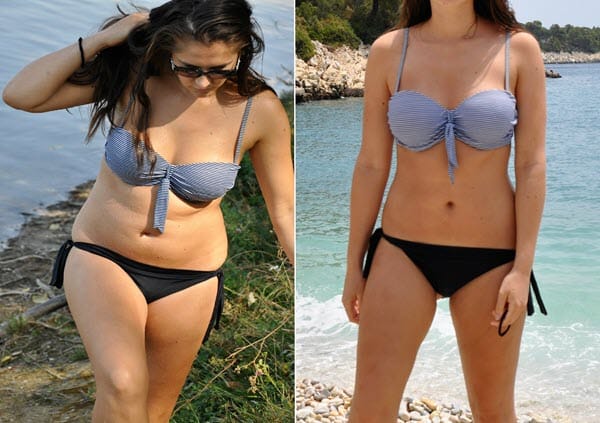
What to eat on a keto diet?
You might be curious about what to eat on a keto diet. So here we give you 17 healthy foods to eat while on a keto diet.
1. Low-Carb Vegetables

Non-starchy vegetables, like asparagus, bamboo shoots, and bean sprouts, are low in carbs and calories, but rich in many nutrients, such as vitamin C and several minerals.
Some vegetables and other plants hold fiber which your body doesn’t digest and absorb as it does with other carbs. So it is also important that you check their digestible carb count (total carbs minus fiber).
Although most vegetables contain very few net carbs, consuming a serving of starchy vegetables like yam, beets, or potatoes could put you over your entire carb limit for the day.
Vegetables also have antioxidants that help protect our cells against free radicals, which may play a key role in diseases like cancer or heart disease.
Low-carb vegetables can be a great substitute for higher-carb foods, e.g., spaghetti squash can be a natural substitute for spaghetti, and cauliflower can be used to mimic mashed potatoes or rice.
2. Seafood

Seafood like fish and shellfish are absolutely great when on a keto diet: salmon and other fish are virtually carb-free and are rich in potassium, selenium, and B vitamins.
Carbs in different types of shellfish vary, e.g., shrimp and most crabs are carb-free, others are not. Although some shellfish contain carbs, they can still be included on a keto diet. You just have to account for these carbs to stay within a narrow range.
The table below shows the carb counts for 100-gram servings of some popular types of shellfish.

Fatty fish, like sardines, salmon, and mackerel, are rich in omega-3 fats, which have been found to lower blood pressure, reduce triglycerides, and fight age-related mental decline and Alzheimer's disease. Therefore, frequent intake of fish has been linked to a reduced risk of disease and improved mental health.
Consuming at least two servings of seafood per week is ideal.
3. Avocados

Avocados are a great source of potassium which is an important mineral many may not get enough of, magnesium, omega-3 fatty acids, and vitamins C, E, K and B-6. Higher potassium intake can potentially make the transition to a keto diet a lot easier.
A 100-gram avocado contains 9 grams of carbs. However, its net carb is only 2 grams since the 7 grams is fiber.
In addition, avocados are incredibly healthy and they may even help improve triglyceride and cholesterol levels.
A study demonstrated that people who consumed a diet high in avocados experienced an 11% increase in good HDL cholesterol and a 22% reduction in bad LDL cholesterol and triglycerides.

4. Cheese
There are different types of nutritious and delicious cheese. All of them are a great fit for a keto diet as they are very low in carbs and high in fat.
A 28-gram cheddar cheese contains 20% RDI for calcium, 7 grams of protein, and 1 gram of carbs.
Although high in saturated fat, cheese hasn’t been found to increase the risk of developing a heart disease. In fact, it was suggested that cheese may even help protect against heart disease.
What’s more, cheese holds conjugated linoleic acid—a fat that has been linked to improvements in body composition and fat loss.
Moreover, regular consumption of cheese may help reduce the loss of muscle mass and strength that comes with aging.
A 12-week study in older adults demonstrated that those who consumed 210 grams of ricotta cheese daily experienced an increase in muscle strength and muscle mass.
5. Eggs

Eggs are definitely ideal for a keto diet: a large egg holds < 1 gram of carbs and < 6 grams of protein.
Being one of the most versatile and healthiest foods on the planet, eggs have been found to trigger hormones that keep blood sugar levels stable and increase feelings of fullness, resulting in lower intake of calories for up to 24 hours.
Most of its nutrients, including antioxidants lutein and zeaxanthin, are found in the yolk so eating the entire egg is important.
Although high in cholesterol, consuming egg yolks does not elevate blood cholesterol levels in most people. In fact, eggs seem to alter the shape of LDL in a way that lessens the risk of developing a heart disease.
6. Meat and Poultry

Considered as staple foods on a keto diet, fresh meat and poultry are carb-free and rich in B vitamins and several minerals, such as zinc, selenium, and potassium.
They are also rich in high-quality protein, which can potentially help preserve muscle mass during a very low-carb diet.
A study in older women demonstrated that consuming a high-fatty meat diet resulted in HDL cholesterol levels that were 8% higher compared to that on a low-fat, high-carb diet.
If possible, choose grass-fed meat because animals that eat grass produce meat rich in antioxidants, conjugated linoleic acid, and omega-3 fats than meat from grain-fed animals.
7. Plain Greek Yogurt and Cottage Cheese
Although cottage cheese and plain Greek yogurt contain some carb, they can still be included on a keto diet. These healthy, high-protein foods have been found to help promote feelings of fullness and reduce appetite.
Either of the two makes a tasty snack on its own. But they can both be combined with cinnamon, chopped nuts and optional sugar-free sweetener for an easy and quick keto treat.
A 150-gram plain Greek yogurt contains 5-gram carbs and 11-gram protein, while the same amount of cottage cheese contains 5-gram carbs and 18-gram protein.
8. Coconut Oil
Having unique properties, coconut oil is well suited for a keto diet. It contains medium-chain triglycerides which have been shown to play a role in reducing weight and decreasing metabolic syndrome, inflammation and abdominal obesity.
In addition, coconut oil has been used to elevate ketone levels in people suffering from brain disorders like Alzheimer’s disease.
Coconut oil’s main fatty acid is lauric acid, which is a slightly longer-chain fat. A mixture of coconut oil’s lauric acid and MCTs can help promote a sustained level of ketosis.
What's more, coconut oil has been found to help obese adults lose belly fat and weight. In fact, a study in men who consumed 30 ml of coconut oil every day lost an inch from their waistlines without having to make any other dietary changes.
9. Nuts and Seeds

Nuts and seeds are rich in fiber, which helps you feel full and absorb fewer calories overall. These healthy, high-fat and low-carb foods are ideal for a keto lifestyle.
Frequent nut consumption has been linked to a reduced risk of chronic diseases like depression, certain cancers, and heart disease.
Although both are low in net carbs, the amount varies depending on the type. The table below shows the carb counts for 28 grams (1 ounce) of some common nuts and seeds.

10. Olive Oil
Olive oil is rich in oleic acid—a monounsaturated fat that has been found to help prevent heart disease and other heart conditions. It is focused on providing impressive benefits for your heart.
Moreover, extra-virgin olive oil is also rich in antioxidants known as phenols, which further protect heart health by improving artery function and decreasing inflammation.
Olive oil is a carb-free pure fat source, making it an ideal base for salad dressings and healthy mayonnaise. It is best added to foods after they have been cooked or used for a low-heat cooking since it’s not as stable as saturated fats at high temperatures.
11. Berries

Most fruits, except berries which are low in carbs and high in fiber, are too high in carbs to include on a keto diet. Berries are loaded with antioxidants that have been found to reduce inflammation and protect against disease.
The table below shows the carb counts for 100 grams (3.5 ounces) of some berries.

12. Butter and Cream
Containing only trace amounts of carbs per serving, butter and cream are good fats to include in a ketogenic lifestyle.
For many years, they were believed to cause heart disease due to their high saturated fat contents. But several big studies have demonstrated that saturated fat isn’t linked to heart disease for most people.
In fact, some research found that when consumed moderately, high-fat dairy may potentially lessen the risk of heart attack and stroke.
Butter and cream are also high in conjugated linoleic acid, which can promote fat loss.
13. Ghee
Ghee is also a healthy source of saturated fats that provide nutrients, vitamins, and minerals to the body. This clarified butter is great when on a keto diet.
14. Shirataki Noodles
Shirataki noodles contain < 1 gram of carbs and 5 calories per serving, making them a fantastic addition to a ketogenic diet. They are made from a viscous fiber called glucomannan, which may help to control sugar levels in diabetes and reduce cholesterol levels.
Viscous fiber forms a gel that helps to slow down the movement of the food through your digestive tract, which reduces hunger and blood sugar spikes. It is absolutely beneficial for diabetes and weight loss management.
These noodles come in different shapes, including fettuccine, linguine, and rice.
15. Olives
Olives and olive oil provide the same health benefits. It’s just that the former is in solid form.
Its main antioxidant is oleuropein which has anti-inflammatory properties and may help protect cell damage. Moreover, consuming olives has been found to help reduce blood pressure and prevent bone loss.
Different olive sizes contain different carb content. Digestible carb content in olives is very low as half of their carbs come from fiber.
16. Unsweetened Coffee and Tea

Unsweetened coffee and tea are incredibly healthy drinks. They both have caffeine which improves your metabolism, as well as your mood, alertness and physical performance.
What's more, it has been shown that coffee and tea drinkers have a significantly decreased risk of diabetes. In fact, people who have the highest coffee and tea intakes have been shown to have the lowest risk of developing diabetes.
17. Dark Chocolate and Cocoa Powder

Dark chocolate and cocoa powder are great sources of antioxidants. Surprisingly, both are great when you’re on a keto diet.
Dark chocolate has flavanols, which may decrease the risk of heart disease by keeping arteries healthy and improving blood pressure. Choosing dark chocolate with at least 70% cocoa solids is preferable. Cocoa also provides at least as much antioxidant activity as any other fruit like acai berries.
Conclusion
A ketogenic diet is a great tool to achieve weight loss and other health-related goals. This low-carb, high-fat diet may seem difficult to sustain, but it’s not. There are a wide variety of healthy, tasty, and versatile keto diet foods that can keep you within your daily carb range.
If you want to go on a keto diet, make sure to come up with a keto diet food plan first before you get started.

