
Overview
Intermittent fasting is one of today’s most popular health and fitness trends worldwide as it is known to be an effective tool for achieving weight and fat loss and getting lean and strong without having to change your diet.

Additionally, some religions, including Judaism, Christianity, Islam, and Buddhism, mandate some form of fasting.

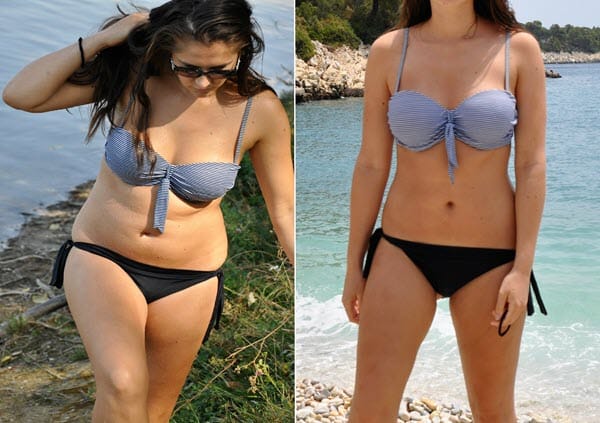
Intermittent Fasting Meaning
Intermittent fasting is an eating pattern—and not a diet—that involves alternating eating and fasting cycles.
There are numerous intermittent fasting benefits as well, but the most common reason people do intermittent fasting is to achieve weight and fat loss.
There are several ways of doing intermittent fasting; all its methods involve splitting the day or week into periods of fasting and eating.
20 Things I Wish I Knew Before Starting Intermittent Fasting
My intermittent fasting journey began at the end of December 2019. I only researched for a few days before starting off with intermittent fasting, so the majority of the things I’ve learned and discovered have happened along the way. Here are the 20 things I wish I knew before starting intermittent fasting.
Before diving headfirst into intermittent fasting, the very first thing to do is to check in with your doctor or healthcare provider for better recommendations.

1. Choose an intermittent fasting diet plan that works for your lifestyle
There are several types of intermittent fasting, including the 16/8, wherein you have a 16-hour fast and an 8-hour eating window; the 5:2 diet, which involves limiting your calorie intake for two nonconsecutive days a week and eating regularly the other five days; and the Warrior Diet, which involves eating for 4 hours and fasting for 20 hours.
I started off with a 10-hour eating period and a 14-hour fasting period, and now with almost 5 months of intermittent fasting, I’m doing great with an 8-hour eating window and a 16-hour fasting period.
Some people might prefer to skip breakfast instead. You can choose a plan—which you can sustain for a long term—that works with your lifestyle and schedule. This may take quite some time, so be patient and flexible. Be open to try and experiment with different fasting and eating windows.
2. Go gradual to achieve the best end result
Gradually increasing your fasting period will prevent conditions like low energy, dizziness, headaches, and general sadness about not eating. Don’t push yourself to immediately achieve your plan. You can work your way up to it slowly but safely.
3. Your body can easily adjust to the eating style.
I had heard a lot from other people about intermittent fasting before I personally tried it. I was hesitant to implement it at first thinking that it would be the worst thing ever. I thought I would not be able to get my work done because of hunger.
I wish I’d known that, while fasting is quite difficult for the first week, your body can easily adjust to it. After a week or two, you’ll surely start feeling amazing! It’s fantastic how much you’ll enjoy a lot of free time, and not having to always think about what meal to prepare and eat. This is unbelievable but you’ll also have much mental clarity and focus as well as energy.
Another good thing about fasting is that it makes me feel fuller with even a smaller amount of food for long periods of time.
4. Drink a lot of water
Drinking a lot of water throughout the day can suppress the feeling of hunger. It will help satiate that need of having to put something in your mouth, help you feel more alert, and keep your belly full.

Drinking sparkling water, black coffee, and tea can also kick the hunger immediately. But stay away from zero-calorie energy drinks. Keeping your mouth busy with chewing gum can also help.
5. Do your research!
Reading a lot of intermittent fasting-related articles or watching YouTube videos will solidify your decision to try it. You’ll hear a lot of success stories from other people and learn about the benefits of intermittent fasting—it can prevent belly bloat, improve digestion, increase lifespan, prevent disease like Alzheimer's, and can help you control your food addiction or issues with overeating.
6. Keep yourself busy
The first day of intermittent fasting might feel amazing and exciting. You’re on a “high” to try something new and you’ll love the feeling of being in a fasted state. However, days 2–4 might be a struggle. Sadness, thoughts of doubt, and food cravings will absolutely happen.
Keeping yourself busy is the best way to get through these struggling days. Don’t torture yourself by going to the kitchen and doing things that involve food. Avoid watching people prepare and eat food. Stay away from restaurants and grocery stores—this quarantine time is the perfect time to try intermittent fasting.
You can either read books or articles, sleep, and watch movies. In that way, you are away from the temptation to eat.
7. Don't just eat salad
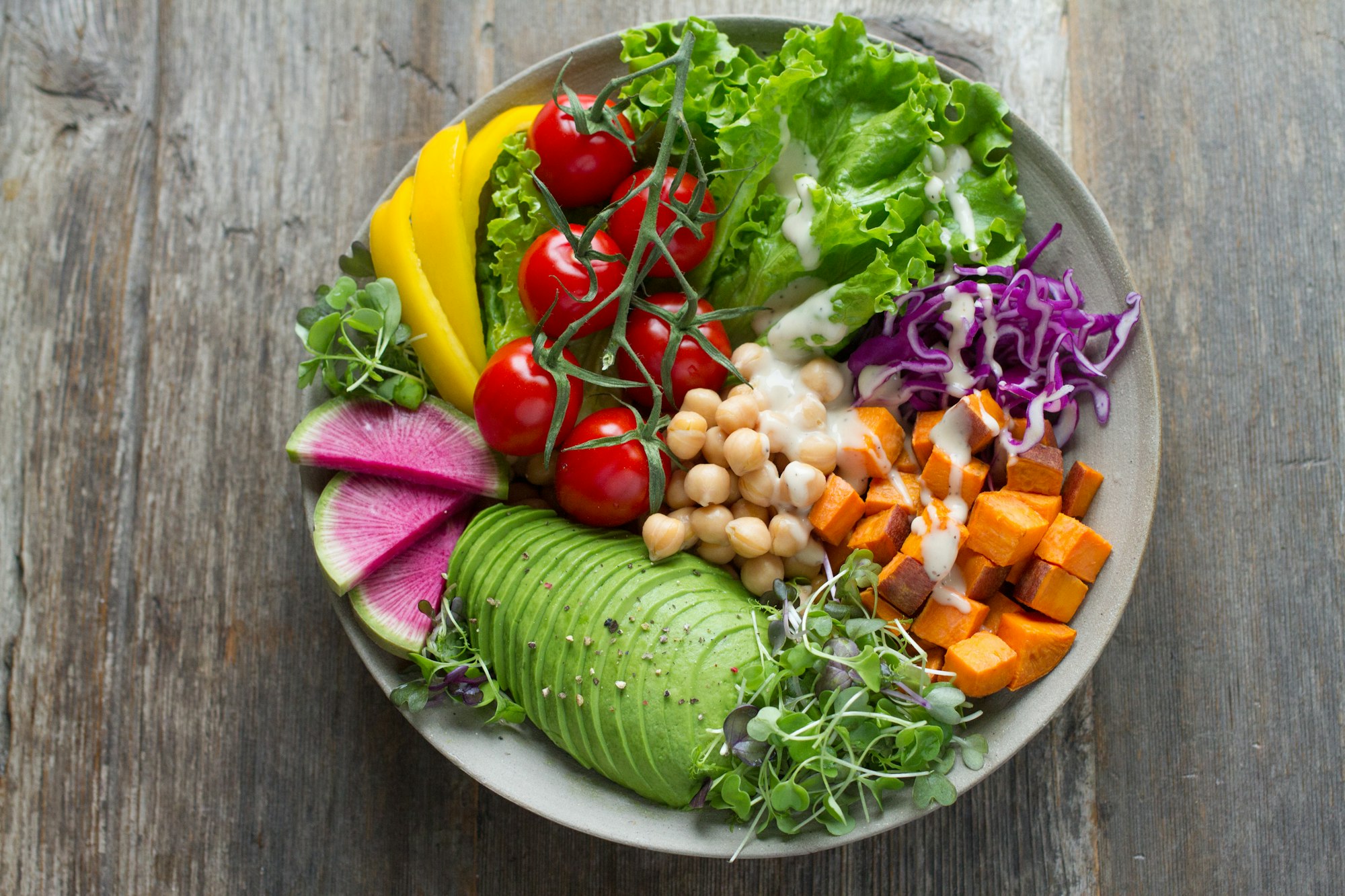
Don’t be too restrictive in what you eat during your eating window. Don’t just eat salad during that time. You can also eat larger nutritious meals to ensure you don’t feel hungry the next day during your fasting period. Eat healthy foods that are rich in protein, complex carbs, and healthy fats.
8. But don't overeat during the eating window
If your goal in doing intermittent fasting is to lose weight, you have to limit and monitor your calorie intake. Say if you skip breakfast but then you compensate for the calories lost during your fasting period by eating huge meals during your eating window, you’ll likely not lose weight at all.
To avoid overeating during the eating window, you can break your fast with a handful of nuts or a piece of fruit. It’ll lessen the feeling of hunger, and you can slowly eat your proper meal after 30–60 minutes.
9. Go easy on the workouts
Workout is also essential to your health, especially if your main goal in doing intermittent fasting is weight and fat loss. Take some time off to get your body used to fasting before hitting the gym.
10. Get over that mental barrier
Following this eating pattern is simple. It’s just basically not eating when you wake up, then you can eat lunch and start your day—that’s how I do it.
However, for some people—including me—they kept thinking of gaining negative effects while fasting, like “maybe I can’t perform well if I’m hungry” or “maybe I’ll get sick when I try this and that” or “maybe I won’t be able to do things better when I don’t eat.” These were the thoughts that went through my mind before I finally decided to try intermittent fasting.
But in reality, nothing of these actually happened. I’m doing great and I feel amazing. My life just went on fine.
Believing that eating 3+ meals every day or always having breakfast in order to survive is all psychological. That’s what you are told so you believe it. Well, it’s actually not true.
What I also realized during my intermittent fasting is that successful people have the ability to not only think differently, but also act differently.
11. Intermittent fasting for weight loss is easy
Most people try intermittent fasting to lose fat and weight.
Well, intermittent fasting comes with several factors of losing weight and fat.
Intermittent fasting involves calorie restriction, leading to weight loss. It also puts your body in a fat-burning state, allowing you to lose fat without having to change what you eat, how much you eat, or how often you exercise.
Thus, weight loss is easy to achieve with intermittent fasting.
12. Muscle building is possible
You cannot only lose weight with intermittent fasting, but also build muscles if you want to. All you have to do is focus on eating during the feeding period. Personally, I’ve gained 10 pounds of lean body mass while cutting 4 pounds of fat.
In fact, based on one review study, intermittent fasting reduces body weight of up to 8% and decreases body fat up to 16% in just 3–12 weeks.
13. Cycle what you eat for fantastic end results
Personally, I didn’t start cutting fat until I added in calorie and carb cycling to my diet. Like during the days that I work out, I eat a lot and less on the days that I rest. This gives me a calorie surplus on the days I work out and a calorie deficit during my rest days. By doing so, I tend to gain muscle on the days I work out and burn fat on my rest days.
Moreover, I cycle carbs by eating a huge amount of carbohydrates on the days that I work out and few carbohydrates during rest days—this is to stimulate fat loss. Cycling carbohydrates also results in additional fat loss.
In my case, I’ve seen the best results of intermittent fasting when associated with calorie cycling and carb cycling.
14. Take a long-term view of eating
Planning about what to eat over the course of a week is much better than over the course of a day—or even a few hours.
When you take a long-term view of eating, you’ll realize that the time difference between eating from 7am to 7pm versus eating from 12 noon to 7 pm isn’t that large over the course of a week.
15. Fasting makes you want food less.
Since I started fasting, I’m no longer addicted to food. I only eat when I need to or when I want to, and not because it’s what my body tells me to do.
I’m happy to learn that I now have the additional flexibility and power over my diet—and it indeed benefits me.
16. Gain muscle and lose fat with intermittent fasting
One thing I’ve learned in my intermittent fasting journey is that you can actually gain muscle and lose fat with intermittent fasting—just not simultaneously.
Combining intermittent fasting with calorie and carb cycling is the best solution in gaining muscle and losing fat.
Well, it’s really impossible to lose fat and gain muscle all in one time. In order for you to achieve weight loss, you have to burn more calories than you take in. In other words, net calorie deficit is needed.
And in order to build muscle, eating more calories that you burn is necessary. In other words, net calorie surplus is needed.
17. It’s okay to train less, you’ll still make more gains
As previously mentioned, intermittent fasting leads to weight loss and fat loss without having to change what you eat, how much you eat, or how often you exercise.
So you need not have extensive training as intermittent fasting can help you lose weight and gain more muscle.
Personally, I only work out on Mondays, Wednesdays, and Fridays (2 sessions each day). But I only do one exercise at a time: squat in the morning and pushups in the evening. By doing so, I’ve seen an improvement over the last three months, and it worked so well for me.

18. You'll remain in the fasted state as long as you stay under 50 calories
You'll remain in the fasted state as long as you stay under 50 calories—that’s the general rule of thumb. During the fasted state, your insulin levels are low, which makes it much easier for your body to burn fat.
19. What works for you is the best eating pattern
There are several ways of doing intermittent fasting. All of them can be effective and nothing is better than the other. But whatever works best for you, then that’s the best eating pattern.
In order for you to determine which method works for you, you can simply experiment it.
20. Take photos of your progress
Be sure to capture progress photos at least twice a month! By doing so, you’ll be able to prove to other people (and to yourself) that intermittent fasting really works.
Conclusion
It is therefore essential to conduct more research about intermittent fasting before jumping into it. But experience also is said to be the best teacher. Learning things first-hand is fantastic.
Intermittent fasting really works in ways we can’t imagine. It is a powerful tool to lose weight and fat, while keeping your muscle mass on.
Unfortunately, while intermittent fasting is beneficial for others, it is not for everyone. People who have underlying health conditions, underweight, pregnant women, lactating women, and children are not advised to try this eating pattern as it can be harmful to their health. Always talk to your doctor should you want to try intermittent fasting for safer and better recommendations.

