
Overview
Water is a crucial factor to good health. The human adult body is composed of about 60% water.
Every day, we lose water from our body primarily via sweat and urine. Thus, it is recommended that we drink adequate amounts of water to prevent dehydration.

How much water to drink a day?
There are various opinions on how much water we should drink daily, but the health authorities recommend 8-ounce glasses every day. That is equivalent to about 2 liters, or half a gallon. It is popularly known as the 8×8 rule.
However, some people can stay hydrated with less than 8 glasses throughout the day and others might need more. And the majority of healthy people stay hydrated by drinking liquids whenever they feel thirsty.
Some health gurus, on the other hand, suggest constantly sipping on water throughout the day even if you are not thirsty.
But usually, water needs vary by individual depending on several factors such as your health, where you live, how active you are, and other internal and external factors.

Factors that influence an individual’s water needs
Exercise
It is vital to drink water before, during, and after exercise to cover the fluid loss during sweating. If you’re doing an intense exercise, drinking sports drinks can also replenish the electrolytes lost through sweating.
Environment
Hot season can increase sweating and therefore requires more fluid intake to prevent dehydration.
Overall health
When you have diarrhea, vomiting, or fever, your body loses fluids. Thus, drinking more water can help you stay hydrated. Other health conditions such as urinary tract stones and bladder infections might require increased fluid intake.
Pregnancy or breast-feeding
Pregnant or lactating women need additional fluids to stay hydrated. As recommended by the Office on Women's Health, pregnant women should drink about 10 cups (2.4 liters) of fluids every day, while lactating women must consume about 13 cups (3.1 liters) of fluids every day.
Energy levels and brain function are affected by your water intake
Your energy level and brain function can suffer if you don’t stay hydrated throughout the day.
A study showed a woman with impaired mood and concentration when she had a fluid loss of 1.36% post exercise. Her frequency of headaches also increased.
Other studies demonstrated that exercise or heat causing mild dehydration (1–3% of body weight) can harm many other aspects of brain function.
Also, mild dehydration negatively affects one’s physical performance, resulting in reduced endurance.
Drinking plenty of water for weight loss
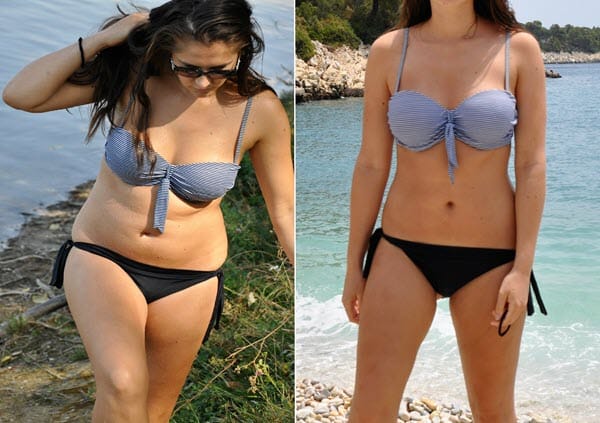
Drinking a lot of water helps you lose weight as it boosts your metabolism and reduces your appetite.
Two studies demonstrated that drinking 500 ml of water can boost your metabolism temporarily. As estimated by the researchers, drinking two liters of water in a day increases energy expenditure by about 96 calories.
Moreover, your body will have to expend more calories to heat the water to body temperature; thus, drinking cold water may also be beneficial.
Drinking water for about 30 minutes before each meal also reduces the number of calories you are about to consume.
Another study also showed a 44% weight loss to dieters who drank 500 ml of water before meals compared with those who did not.
Thus, it can be deduced that drinking adequate amounts of water before meals (with a healthy diet) can have a significant weight loss benefit. What’s more, there are other health benefits in drinking adequate amounts of water.
Most nutritionists, on the other hand, recommend the “8x8” rule if you really want to lose weight by drinking water. If you exercise, you might need more water or less if you’ve already had other beverages such as herbal tea.
According to the managing director of Baptist Sports Medicine in Nashville, Trent Nessler, the amount of water you should drink also depends on your activity level, size, and weight.
Benefits of drinking water
Drinking more water helps prevent health problems, such as the following:
Constipation
Constipation responds well to increased water intake.
Cancer
Some studies demonstrated that people who drink more water are less likely to have bladder and colorectal cancer; however, some studies see no effect.
Kidney stones
The risk of developing kidney stones is lessened with increased water intake.
Acne and skin hydration
There are several anecdotal reports about how water has helped hydrate the skin and reduce acne. But to date, no studies have been conducted to confirm this claim.
Other benefits of drinking water
Every organ, tissue, and cell in the body needs water to properly work. For example, water protects your sensitive tissues, keeps your temperature normal, and gets rid of wastes in your body through urination, bowel movements, and perspiration.
Lack of water results in dehydration which can possibly drain your energy and make you tired.
Other sources of water
Aside from plain water, other foods and drinks can also contribute to your fluid balance.
Most foods, such as eggs, fish, meat, and especially fruits (spinach and watermelon are almost 100% water by weight) and vegetables, are also loaded with water.

Also, other beverages such as juice, milk, and herbal teas are mostly composed of water. What’s more, even caffeinated drinks such as soda and coffee have a significant contribution to your daily water intake.
Sports drinks help replace electrolytes lost during perspiration, but these drinks should only be used when you’re doing an intense exercise for more than 1 hour.
Energy drinks, unlike sports drinks, are not formulated to replenish electrolytes. These drinks usually contain large amounts of sugar, caffeine or other stimulants, and other additives.
But water, being calorie-free, readily available, and inexpensive is probably the best option for you.
Being thirsty has a reason
Maintaining water balance is crucial for survival. Thus, our body has a system that regulates how much and when to drink. When the body’s total water content reaches below a certain level, thirst comes on. You need not consciously think about being thirsty as it is controlled by mechanisms, just like breathing. For some people, they rely on their thirst instinct.
The 8×8 rule is completely arbitrary and no science is behind it. Thus, the volume of water intake depends on certain circumstances. For example, during the times of increased sweating, such as exercise and hot weather, increased water intake is necessary to replenish the lost fluid.
Athletes who have been doing intense exercises also need to replenish electrolytes alongside water.
Additionally, your need for water also increases during breastfeeding and several disease states like diarrhea and vomiting.
However, the thirst mechanism can start to malfunction for older people; thus, they have to consciously watch their water intake.
What’s the appropriate water intake?
The National Academies of Sciences, Engineering, and Medicine recommended the following adequate daily fluid intake: for men about 15.5 cups (3.7 liters) and for women about 11.5 cups (2.7 liters).
Additionally, those recommendations cover not only water but also other beverages and foods. Note that about 20% of our daily fluid intake usually comes from food—the rest comes from drinks.
At the end of the day, the appropriate volume of water the body needs depends on the individual. No one can tell exactly how much water a person needs.
Experimenting is key! Try to see what works best for you because some may function better with more water intake, while others only get more frequent trips to the bathroom.
Can you drink too much water?
You can actually drink too much water although it's uncommon. However, if your kidneys do not have the capacity to excrete the excess water, the sodium content of the blood is diluted, and it can be fatal.
Secret to how much water you should drink each day
To keep things simple, you can simply drink water when you’re thirsty and stop when you feel you’ve had enough.
Make sure to always stay hydrated by drinking plenty of water to replenish the lost fluids during increased sweating especially after exercise or during high heat.
It is therefore important to know more about your body’s need for fluid so you can estimate how much water you should drink.
You’ll know you’ve had an adequate amount of water intake if you rarely feel thirsty or your urine is colorless or light yellow. When the urine is darker, you need to drink plenty of water.
Conclusion
Every day, we sweat and urinate, and that means we lose body fluids from day to day. Thus drinking plenty of water is highly recommended to prevent dehydration.
No one can specifically tell you how much water to drink as it depends on several factors (internally and externally).
Mild dehydration can negatively affect an individual’s physical and mental performance. The most important thing is to always stay hydrated throughout the day by drinking an adequate amount of water. By doing so, it temporarily increases the body’s metabolism. Additionally, drinking water about 30 minutes before each meal can result in fewer calorie intake, leading to weight loss.
Other than plain water, some beverages also contribute to maintaining fluid balance such as tea and coffee. What’s more, most of the foods we eat also contain water.

