
The concept of a keto diet, which focuses on restricting or limiting carb intake in favor of consuming more protein and fat, seems easy enough.
Experts however aren’t so sure if a new version of this low-carb, moderate protein, and high-fat diet is indeed easy to follow.
Some keto dieters are aware of the reality that the simple diet actually involves strategizing, calculating, and negotiating, which can absolutely be a great deal.
The keto diet is being popularly known as a low-carb diet. This misses the emphasis on fat which is what sets the keto diet apart from other low-carb diets, such as the Atkins diet.
The keto diet allows you to eat no more than 5% of carbs, which comes out to ~ 20–50 grams of carbohydrates for most people, 60–90% of fat, and 10–30% of protein daily.

But what if you try the concept of a “lazy keto” which focuses solely on the carb number and skipping to micromanage your macronutrient intake?
If you want to know more about the “lazy keto,” then this article is for you! The “lazy keto” is an approach to the keto diet that’s getting more attention from keto dieters and keto curious.

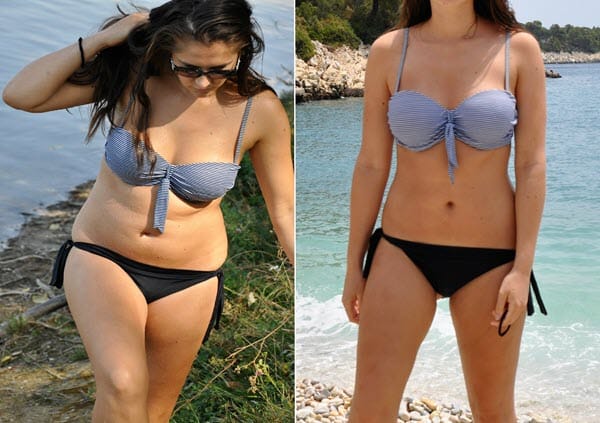
Lazy Keto Diet
According to a registered dietitian based in New York City Allison Knott, a lazy keto is commonly defined as eating no more than 20 grams of carbs daily without having to count calorie intake or track other macronutrients, fat and protein.
This concept may sound great for people who don't usually track every bite of food; however, this is unlikely to result in the ketosis state.

Ketosis is a metabolic state where the body stops using carbohydrate stores for energy and starts burning fat instead as a fuel source. During this process, the body burns the fat that you have eaten and stored.
Ketosis, which is known for its weight loss benefits, is vital to the keto diet. This metabolic state is not as easy as entirely getting rid of carbs to force fat burning.
Carbohydrates are the main source of glucose for energy, but your body will need an alternative fuel source when there's limited access to carbs.
It is important to note that there’s a process called gluconeogenesis where protein can also become the source of glucose. If you aren’t watchful, this could be the death knell for your lazy keto.
According to a registered dietitian based in New York City Michelle Shapiro, protein has an insulinogenic response. Thus, consuming a lot of protein while on a keto diet can cause the body to use glucose as fuel source instead of ketones, which will absolutely take you out of ketosis.
In addition, unbalanced macronutrients and unregulated nutrient timing on a keto diet will leave you feeling very hungry.

Lazy Keto Food List

Like the strict keto diet, a lazy keto diet encourages low-carb foods without consideration for other macronutrient content. Below is a lazy keto food list:
Poultry and meat, such as chicken, turkey, deli meat, beef, and pork
Shellfish and fish, such as shrimp, lobster, crab, salmon, trout, and tuna
Eggs (scrambled, fried, or hard-boiled)
Low-carb veggies, such as tomatoes, onions, leafy greens, and broccoli
Seeds and nuts, such as sunflower seeds, nut and seed butters, peanuts, and tree nuts
High-fat dairy products, such as cheese
Healthy oils, such as extra virgin olive oil
Unsweetened beverages, such as water and tea
Some fruits (berries, such as blackberries, strawberries, and blueberries in small portions)
Foods to Avoid on a Lazy Keto
Lazy keto also restricts high-fat foods. Below are some foods to avoid while on a lazy keto:
Starchy vegetables, such as potatoes and peas
Grains, such as rice, cereal, oats, bread, and pasta
Fruit, such as apples, oranges, and bananas
Legumes, such as lentils, chickpeas, and soybeans
Some dairy products, such as yogurt
Sugary foods, such as candy, ice cream, cookies, cakes, and most other desserts
Sugary drinks, such as sports drinks, sodas, and fruit juices
The downside of a lazy keto
Hunger
People on a lazy keto don’t usually track their other macronutrient intake. So if they don’t get enough fat and are unable to achieve the ketosis state for consuming too much protein, they could leave their bodies in an energy limbo state.
Fat is more calorie dense and filling. It also digests more slowly than other macronutrients. Without fat or carbs as a fuel source, the body may burn nothing. The transition of fat burning is absolutely essential in a keto diet.
Unmanaged protein and carb intake can make keto dieters to just feel completely deprived and hungry. Keto dieters may not achieve ketosis as well.
Your body might miss other vital nutrients
The keto diet doesn’t allow many carb-rich plants, such as potatoes, peas, and squash, leaving low-carb fruits and vegetables, including cauliflower, Brussels sprouts, and asparagus, as the primary sources of antioxidants and polyphenols.
Although supplements can help, a healthy keto diet can also provide plenty of vitamins and minerals that your body needs. Lazy keto might not be able to provide that.
You’re more likely to meet all the essential nutrients that your body needs if you follow a strict keto diet plan created by a registered dietitian or other medical professional.
Working with a health professional is a great way to determine what diet suits you because, like any other diet, a keto diet must also be customized to your needs.
You aren’t focused on quality
Shapiro said that the new keto diet is centered on fat quality. Unlike the older keto diets, which are high in vegetable oils laden with low-quality fat sources like processed meats and inflammatory omega-6 fats, the new keto diet focuses on high-quality fat sources coming from MCT oil, monounsaturated fats, omega-3 fats, and other organic and grass-fed healthy animal protein sources.
Food quality is absolutely essential. If you eat a bunch of vegetable oils and processed meats, it will certainly take you away from health instead of towards it.
It’s easy to eat small amounts of calories
Calories are extremely important for every diet. Consuming adequate amounts of calories to meet your needs helps your diet to be more sustainable over the long term, especially if your goal is to lose weight.
However, consuming very small amounts of calories can present risks, regardless of the macronutrient ratio.
If you’re not tracking your total calorie intake, you will never know whether or not you are meeting your macronutrient needs.
Conclusion

While following a lazy keto might be amazing, it is also important that you emphasize the quality of food you are eating. Ensuring food quality is just as important as measuring or tracking your other macronutrient intake.
Some people may benefit from following a lazy keto under the care of a registered dietitian or health professional in a therapeutic setting, but it might not be ideal in the long run.
Following a strict keto diet can be more beneficial. Eating healthy keto foods, such as seafood, eggs, meat and poultry, low-carb vegetables, and nuts and seeds can help you experience some of its potential health benefits.
But regardless of the diet you are following, consuming real healthy foods is the most valuable and important thing you can do for your health.

